New Research Shows Uneven Growth Across Massachusetts Communities
Imagine if researchers more than 75 years ago had foreseen the Massachusetts we live in today.
Predicting the future is difficult because the exact outcomes are uncertain, but one study suggests that several Massachusetts communities could become ghost towns by 2100.
The U.S. Population Decline
A study published in Nature by researchers at the University of Illinois at Chicago found that about half of U.S. cities are likely to experience population decline in the near future.
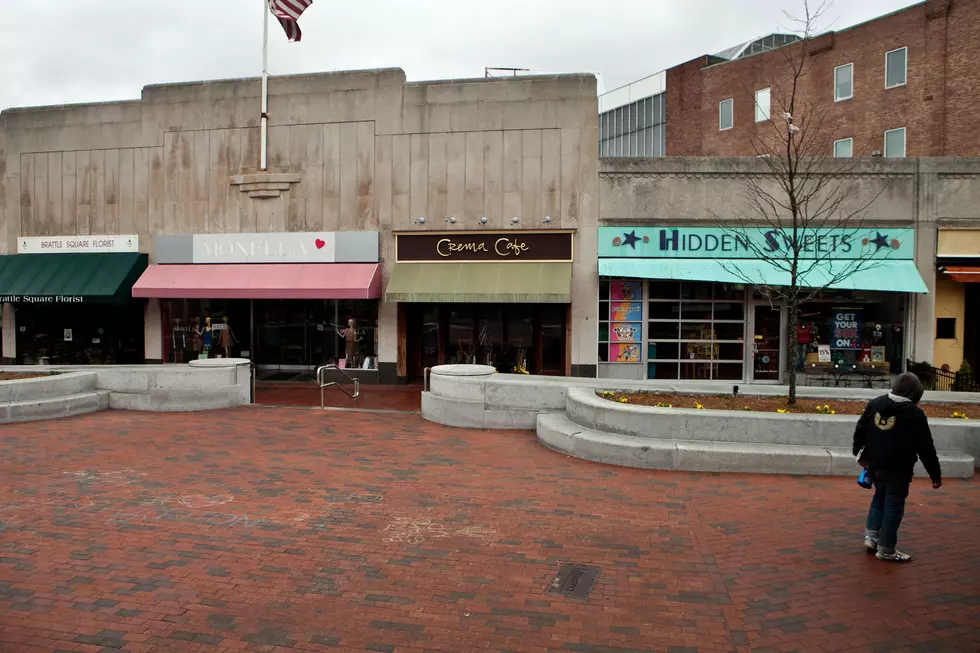
Population growth in Massachusetts is spread across the state. According to the research, towns north of Boston—including Watertown, Malden, Somerville, and Cambridge—are projected to see a 63% increase in population.
But which communities could become ghost towns? Let's find out.
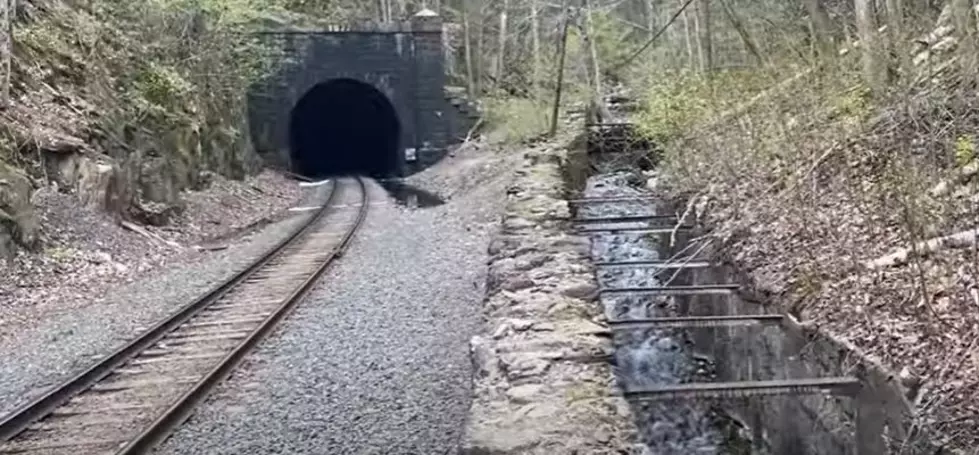
These 11 Places In Massachusetts Could Be Ghost Towns By 2100
Gallery Credit: Ryan Pause
How the Population Shifts Throughout the Day
The authors also examined how population shifts might affect different aspects of daily life, although their precise effects are difficult to predict.
“The implications of this massive decline in population will bring unprecedented challenges, possibly leading to disruptions in basic services like transit, clean water, electricity and internet access, simultaneously, increasing population trends in resource-intensive suburban and periurban cities will probably take away access to much needed resources in depopulating areas, further exacerbating their challenges.” - Author's Study
Although the findings are not universally accepted, some interviewees cited by Scientific American believe substantial changes could occur over the next 80 years. One described the population projections as “pretty reckless,” despite their solid methodology.
Read More: Why Postal Workers Put Dryer Sheets In Mailboxes

Ultimately, only time will reveal what the future holds.
Best counties to live in Massachusetts
Gallery Credit: Stacker
More From WNAW AM